The Dr Vodder Method
The original method of Manual Lymphatic Drainage, developed in the 1930s and still the technique Kylie is certified in. Slow, rhythmic and deliberately light.
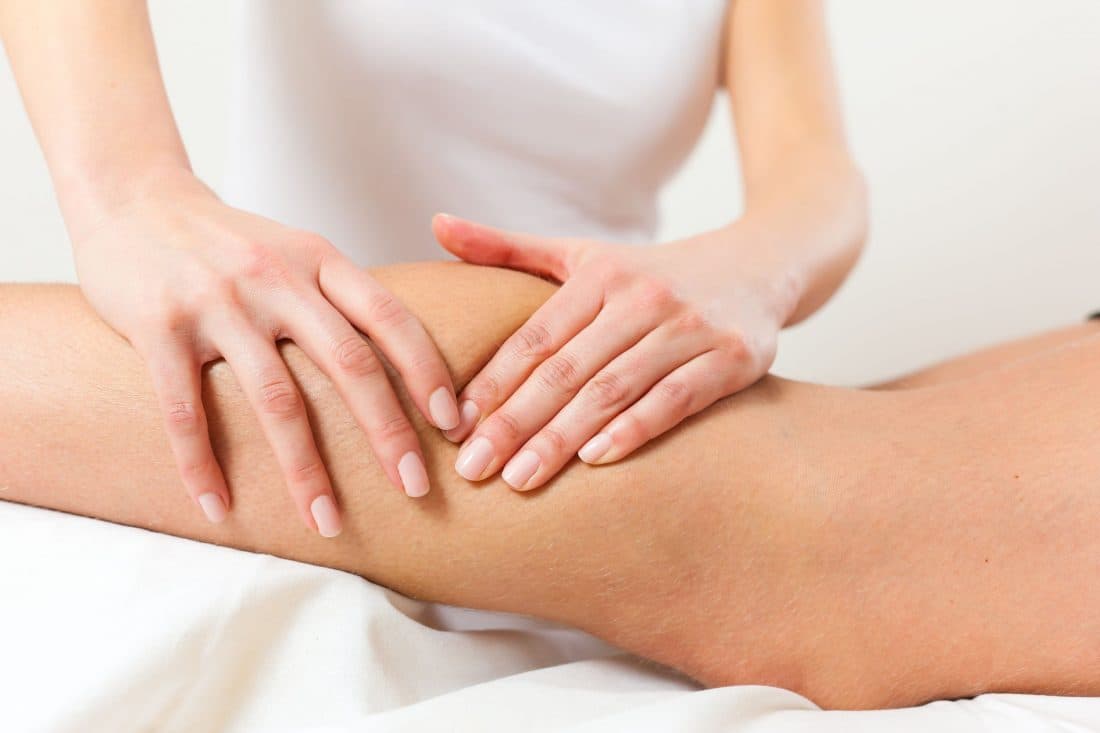
Manual Lymphatic Drainage was developed by Dr Emil Vodder and his wife Estrid in the 1930s, and the method that carries his name is the one taught in the Dr Vodder School's certification pathway — the training Kylie completed and has practised for more than three decades.
It looks and feels unlike any massage you have had. There is no kneading and no deep pressure. The work is slow, rhythmic and very light, following the direction the lymphatic system already drains in.
What the technique involves
- Light pressure, applied precisely. The hallmark of the Vodder method is a gentle stretch of the skin at roughly 30 mmHg — about the weight of a coin resting on you. Pressing harder is not a stronger version of the treatment; it works against what the technique is trying to do.
- A rhythm, not a rub. Each stroke has a working phase and a resting phase, repeated in a steady cadence. That rhythm is the active ingredient.
- An order of operations. Areas are cleared before the areas that drain into them, so there is somewhere for fluid to go. It is why a session may begin at your neck when your swelling is in your leg.
- Working with the vessels' own rhythm. The vessels that carry lymph contract on their own, in segments. Physiological research — building on Professor Mislin's foundational work on lymph vessel motility — has examined how gentle rhythmic stretch and pressure variation of this kind interact with those contractions.
What the research has looked at
The Vodder method is among the more heavily studied manual techniques, and it is worth being straightforward about what that research does and does not show.
- Autonomic response. Studies measuring heart rate variability, and EEG work looking at alpha and delta activity, have reported shifts consistent with relaxation during and after treatment. This is the part most patients notice first — many fall asleep on the table.
- Within Complete Decongestive Therapy. Reviews of trials in breast cancer-related lymphoedema report limited effect on long-term limb volume from MLD used on its own. The picture reported is different where it forms part of Complete Decongestive Therapy alongside skin care, exercise and compression bandaging — which is how it is used here, and why Kylie will talk to you about garments and home care rather than treatment alone.
- Symptoms and quality of life. Trials using patient-reported measures have reported improvements in comfort, heaviness and tightness, and in day-to-day function, that do not always show up as a change in limb volume.
Research describes what has been observed across groups of people under study conditions. It does not predict what will happen for you, and Kylie will not suggest otherwise. What she will do is assess your tissue, explain what she is seeing, and be honest about whether this is the right approach for your situation.
Where it fits
The Vodder method underpins the lymphatic work in this clinic. In practice it is rarely used alone — it is combined with deep oscillation, laser, compression and home management, according to what your assessment finds.
Ready to begin?
Every treatment plan starts with an assessment. Not sure yet? Book a free discovery call instead.
Book an Initial AssessmentHow booking worksYour therapist
Kylie Fletcher — Dr Vodder Method certified to the highest level, 37 years of clinical experience, member of the Australasian Lymphology Association.
About KylieMore in Lymphatic Health
Lymphoedema
Lymphoedema is a condition of localised fluid retention and tissue swelling caused by a compromised lymphatic system. It needs ongoing, informed management — and you are the most important member of the team that manages it.
Lipoedema
Lipoedema is a chronic condition, occurring almost exclusively in women, marked by a symmetrical build-up of fatty tissue in the legs and sometimes the arms. It is frequently misdiagnosed — and it is not a failure of willpower.
Post-Surgical Swelling
Swelling is part of how the body responds to surgery. When it lingers, gentle lymphatic work may support the body in clearing it — at a stage when ordinary massage is not appropriate.
Complete Decongestive Therapy
Complete Decongestive Therapy is the internationally recognised, multi-part approach to managing lymphoedema — combining manual lymphatic drainage, compression, skin care and movement into one coordinated program.